
How to Build a Brand Around Something You Make by Hand
If you make something by hand, you already have something many businesses spend years trying to create: a point of view.
It might show up in the materials you choose, the way you work, the details you refuse to overlook, or simply the fact that you care deeply about making something well.
But there is a difference between making something and building a brand around it.
Your product is what you make.
Your brand is the meaning, feeling, and experience that gathers around it.
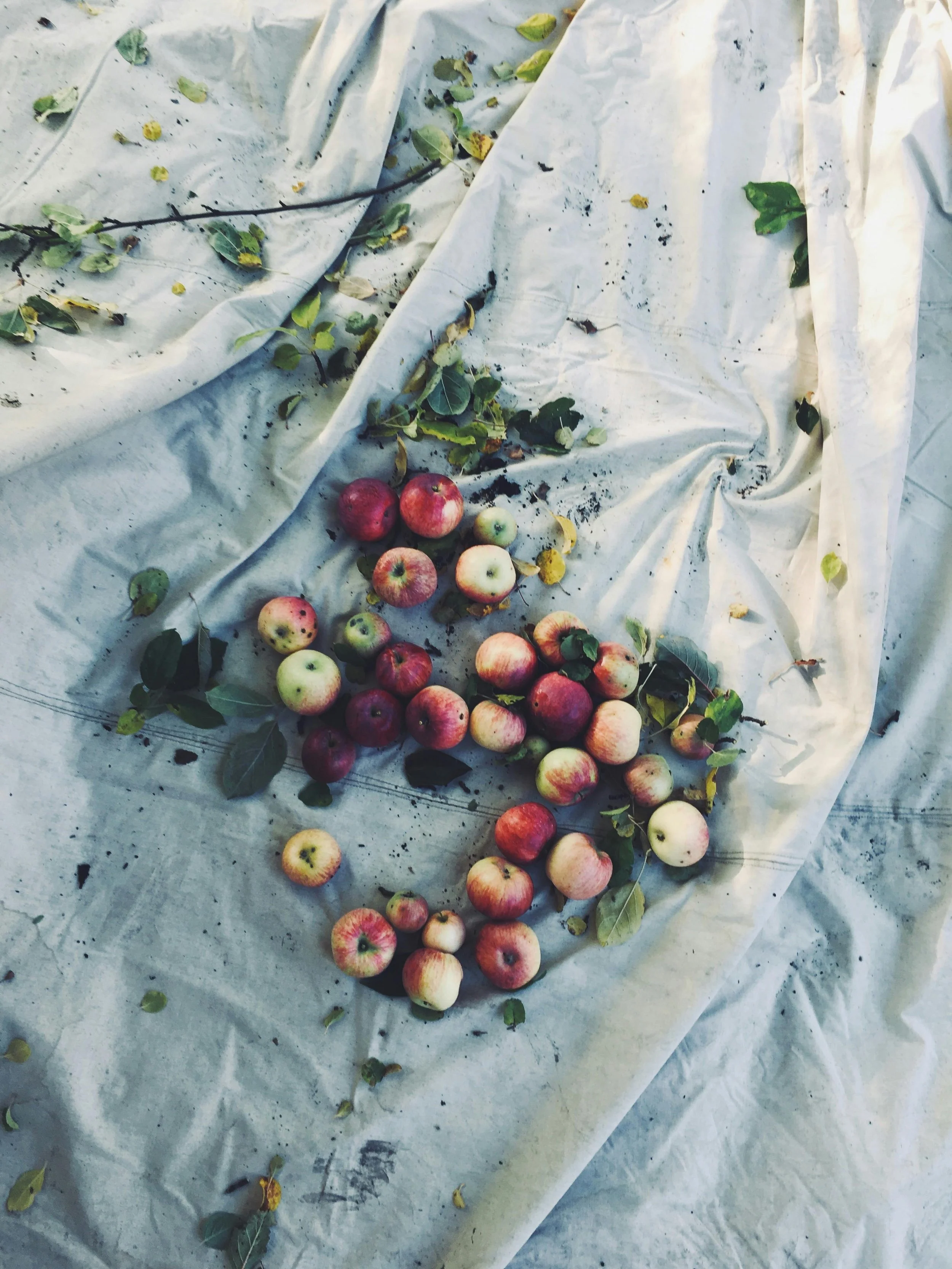
LAKE CHELAN, WA
That distinction matters because a handmade business is rarely competing on the product alone. There may be dozens of ceramicists making beautiful mugs, dozens of woodworkers making cutting boards, or dozens of photographers offering similar services.
What makes someone choose you is often everything surrounding the thing you make.
So how do you build a brand around something you make by hand?
Start with the work itself.
Before you think about logos, colors, fonts, websites, or social media, spend some time looking closely at your work.
What do you make?
But more importantly:
Why do you make it the way you do?
Maybe you use imperfect clay because you like the evidence of the hand.
Maybe you make furniture from reclaimed wood because you believe good materials deserve another life.
Maybe you bake bread slowly because you don't think good bread should be rushed.
Maybe you photograph families because you believe ordinary seasons of life are worth remembering.
These aren't just details about your product.
They're clues to your brand.
A strong brand usually isn't something you invent and then attach to your work. It is something you notice and articulate about the work that is already there.
Your product is the beginning, not the whole brand.
It's tempting to think of a brand as a visual identity.
You choose a name, design a logo, pick a color palette, build a website, and suddenly you have a “real” business.
But a logo cannot tell the whole story of a handmade business.
Think about the experience of buying a loaf of bread from a neighborhood baker.
The brand isn't only the packaging.
It's the flour dust on the baker's apron. The handwritten note. The way the bread is wrapped. The smell when you walk into the shop. The language on the website. The rhythm of Saturday morning. The feeling that someone cared about making this particular loaf.
All of those things contribute to what the business means to you.
Your brand is the whole experience people have with your work.
That is especially important for makers because the process itself is often part of the value.
People aren't simply buying the finished object.
They're buying into a way of making.
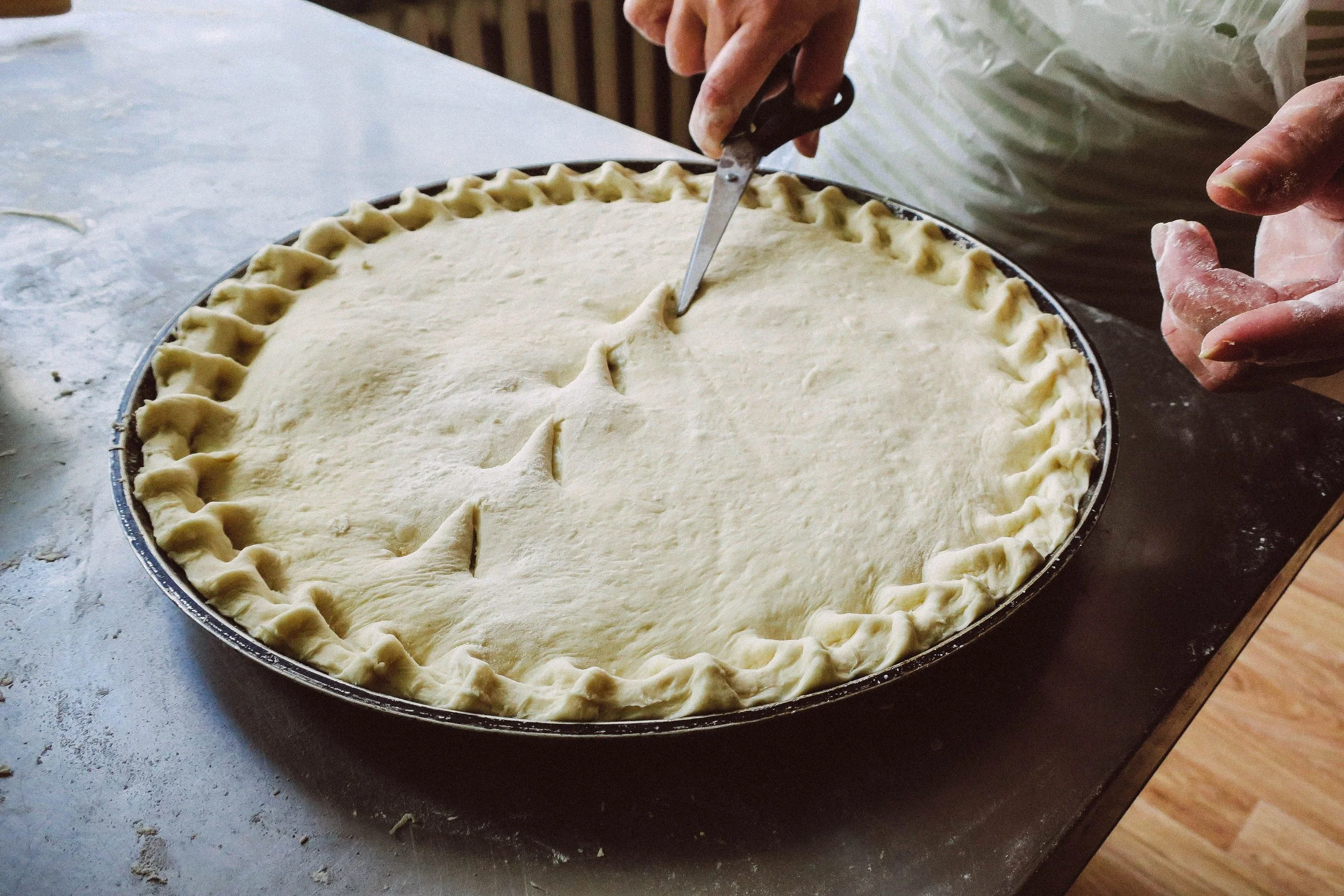
Find the ideas underneath what you make.
One useful exercise is to ask yourself:
What do I believe about the thing I make?
A furniture maker might believe that furniture should be made to last for generations.
A ceramicist might believe that everyday objects should be beautiful enough to notice.
A photographer might believe that the ordinary moments are the ones we'll miss most.
A leatherworker might believe that good things become more meaningful as they age.
Those beliefs are the beginnings of brand strategy.
They help you make decisions.
If you believe furniture should last for generations, that might influence the materials you use, the construction methods you choose, the way you photograph your work, your pricing, your packaging, and even the customers you want to attract.
Your brand begins to become coherent because all of those decisions are connected by something deeper than aesthetics.
Let your brand reflect your way of working.
This is one of the biggest opportunities for a maker. The way you work can become part of the way your business feels.
If your work is slow, your brand doesn't need to shout.
If your work is playful, your brand doesn't need to be overly polished.
If your work is rooted in tradition, your brand can make room for history.
If your work is experimental, your brand can feel curious and unfinished in the best possible way.
There is no single “professional” way for a handmade brand to look.
In fact, trying to make a small creative business look like every other polished business can sometimes remove the very qualities that made it interesting in the first place.
Professionalism doesn't require sameness.
A thoughtful brand should make it easier for the right people to recognize what is distinctive about your work.
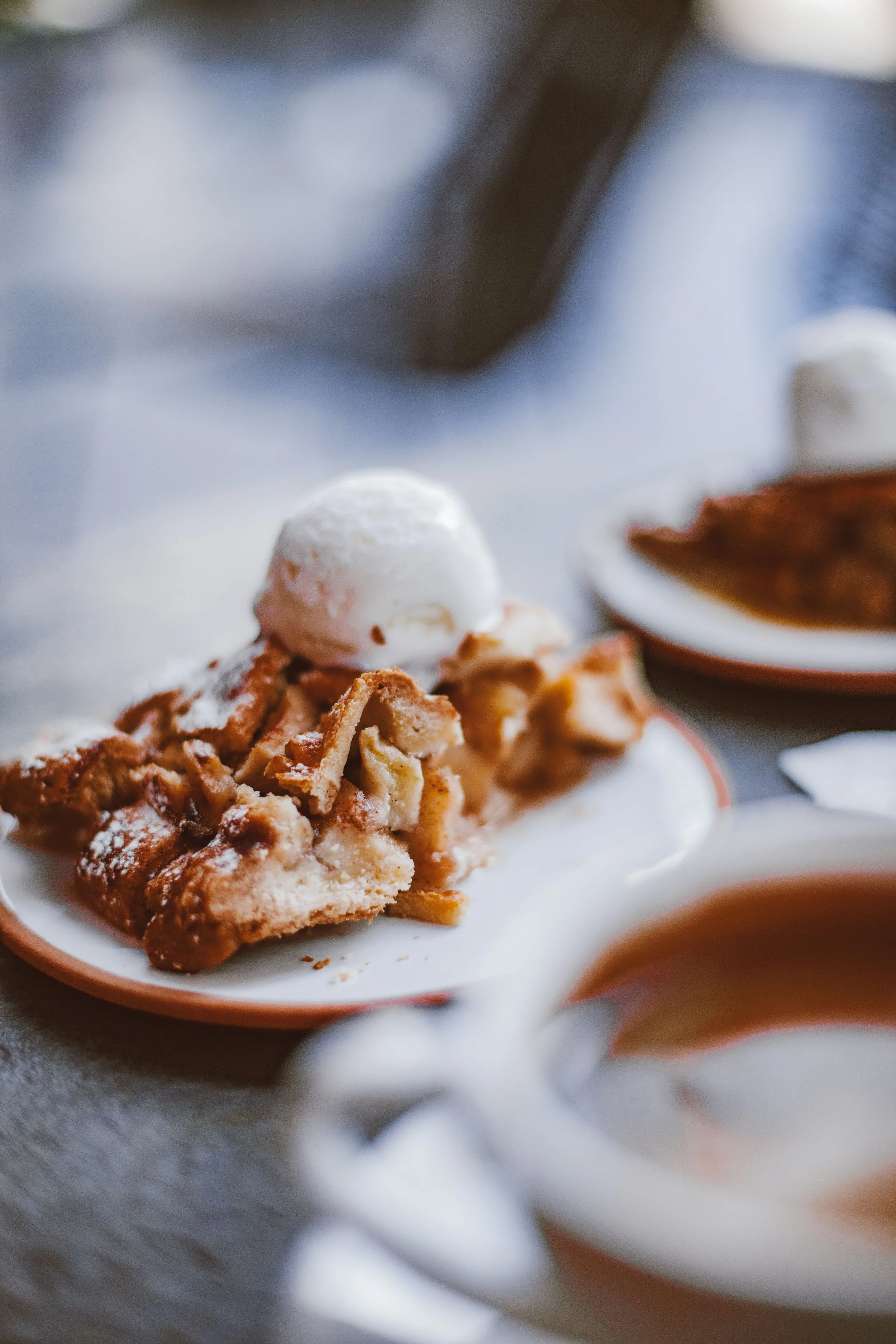
Think about the person on the other side.
Brand building isn't only about expressing yourself.
It's also about creating an experience for another person.
Who is drawn to what you make?
What do they appreciate?
What are they hoping to feel when they buy from you?
What does your work become once it leaves your hands?
A ceramic bowl might become the bowl someone reaches for every morning.
A handmade quilt might become something a child carries for twenty years.
A photograph might become the image someone keeps after a season of life has disappeared.
This is where branding becomes more interesting than simply “making your business look good.”
You are designing the relationship between your work and the person who receives it.
Your brand should help people understand why your work matters.
You don't need a complicated brand story.
You don't need to manufacture a dramatic origin story.
And you certainly don't need to turn yourself into a personal brand if that isn't what you want.
You do need clarity.
Someone encountering your business should gradually be able to understand:
What do you make?
Why do you make it this way?
Who is it for?
What makes your approach different?
What kind of experience should someone expect from you?
When those answers begin to line up, your brand starts to feel cohesive.
Not because everything matches.
Because everything means the same thing.
Build the brand around the work—not on top of it.
This is perhaps the most important distinction.
You don't need to invent a brand personality and then force your business to behave accordingly.
Start with the work.
Pay attention to what you value. Notice what your customers respond to. Identify the patterns.
Then build the business around those things.
Your visual identity, website, packaging, marketing, customer experience, and even the products you choose to make next can all become expressions of the same underlying idea.
That is how a handmade business becomes a handmade brand.
Not by adding more branding to the business.
By making the business more intentional about what is already there.

A Place to start.
If you're a maker and your business feels a little scattered right now, don't start by redesigning your logo.
Take one afternoon and answer these five questions:
What do I make?
Why do I make it this way?
What do I believe about the thing I make?
Who do I hope will value it?
What do I want the experience of encountering my business to feel like?
You don't need perfect answers.
You're looking for patterns.
Those patterns are the beginnings of your brand strategy.
And once you can see them, a lot of the decisions that felt disconnected start to become much easier.
Your brand doesn't have to be bigger than your work.
It simply needs to help people see what makes the work worth choosing.
Get to know The Thoughtful Brand Co.
At The Thoughtful Brand Co., we teach small businesses how to build brands thoughtfully — starting with strategy before moving into marketing and creative execution.
You can read more about our philosophy and approach here: