
What counts as a “small business” — and who this way of working is really for.
Not all small businesses are trying to become big businesses.
And a lot of frustration comes from advice that assumes they should.
This work is for a specific kind of business — not better nor necessarily worse than others, just different in what it values and how it measures success.
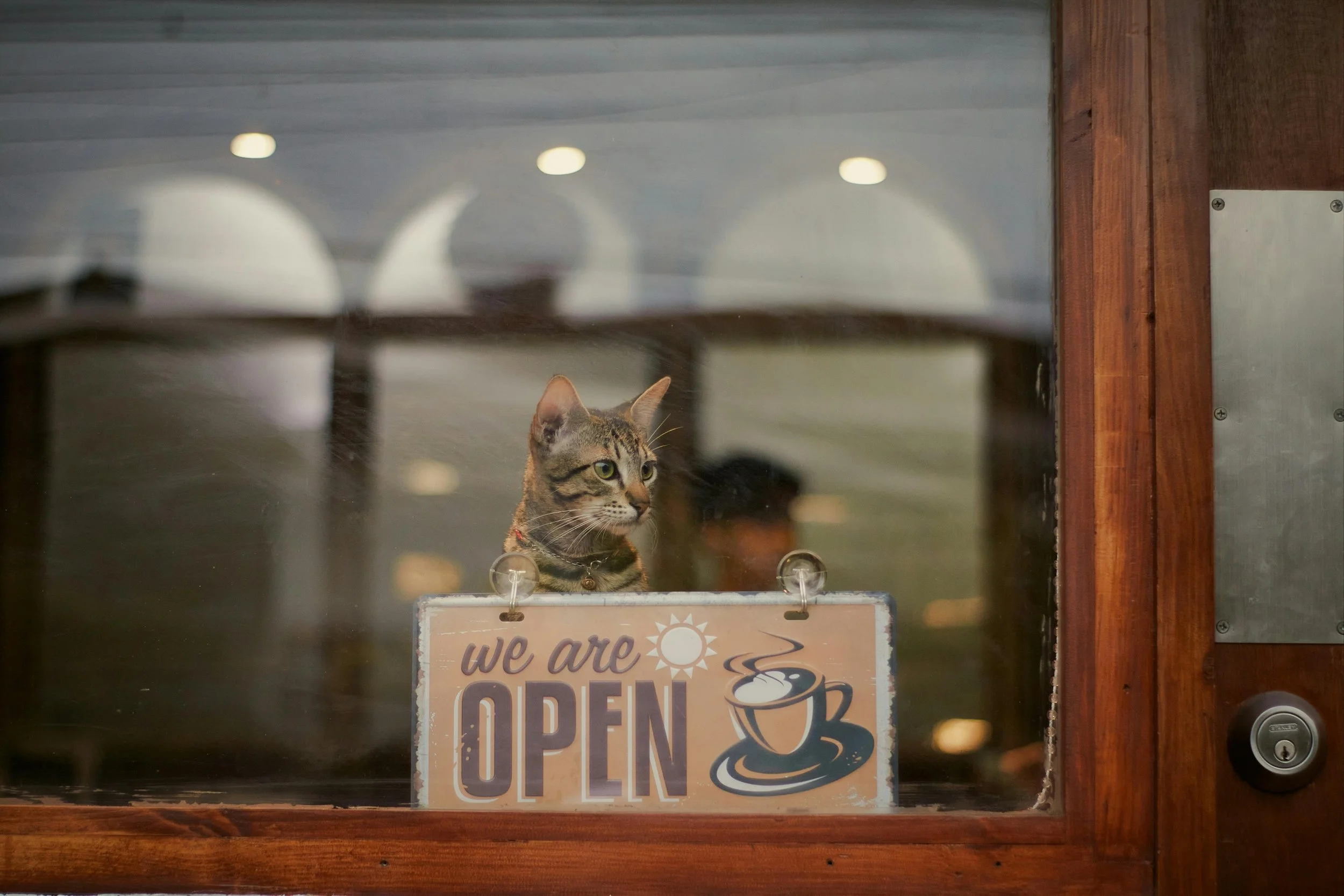
Small Doesn’t Mean Temporary
For many people, “small” isn’t a stepping stone. It’s the goal.
A small business can be:
Thoughtful
Profitable
Well-run
Deeply meaningful
Without needing to scale endlessly or become impersonal along the way.
Who This Work Is For
This approach is designed for:
Makers, shop owners, and creative founders
Businesses in their first few years
People building something personal and intentional
Often, these businesses are closely tied to the founder’s taste, values, and way of working. The business isn’t separate from life — it’s part of it.
→ Where to find step-by-step guides for marketing a new creative business.
What These Businesses Tend To Care About
Many small, creative businesses prioritize things like:
Time and flexibility
Creative autonomy
Connection with customers and community
Pride in the work itself
Money matters — but it isn’t the only measure of success.

Why Most Business Advice Misses The Mark
A lot of mainstream advice is built for:
Speed
Scale
Optimization
Constant growth
When that advice is applied to small, values-driven businesses, it can create unnecessary pressure and self-doubt.
It’s not that the business is failing — it’s that the advice doesn’t fit.
Choosing A Different Definition Of Success
This way of working asks different questions:
Can this business support my life, not consume it?
Can I build something I’m proud of?
Can growth be intentional instead of automatic?
Those are strategic questions — even if they don’t always look like it on paper.
A Quiet Reframe
Being small on purpose isn’t a lack of ambition.
It’s a decision about what kind of ambition you want.
If this resonates, you might also want to read:
Get to know The Thoughtful Brand Co.
The Thoughtful Brand Co. exists to support small businesses that want to build something meaningful, personal, and sustainable.
You can read more about our philosophy and approach here: